Amazon
For Humanize, the Amazon is among the priority biomes, while Pará and Amazonas are in focus when it comes to territory. As the Amazon Forest represents a third of the world’s tropical forests, it plays a major role in initiatives that defend the forest stand – which coincides with what we seek through our portfolio, […]

For Humanize, the Amazon is among the priority biomes, while Pará and Amazonas are in focus when it comes to territory. As the Amazon Forest represents a third of the world’s tropical forests, it plays a major role in initiatives that defend the forest stand – which coincides with what we seek through our portfolio, that links sustainable development and income generation.
A region with the greatest biodiversity on the planet and a space marked by several water resources, the Amazon is essential in maintaining ecological services (e.g., biodiversity conservation and ensuring the quality of the soil). However, the financial resources allocated to the forest are insufficient to deal with the number of challenges, in addition to the fact that the largest portion is not directed towards promoting a more sustainable development, based on a low-carbon economy. In this sense, the Amazon needs several allies. Philanthropy, private sector, multilateral agencies and government need to align the implementation of solutions that enable scale gain and impact generation.
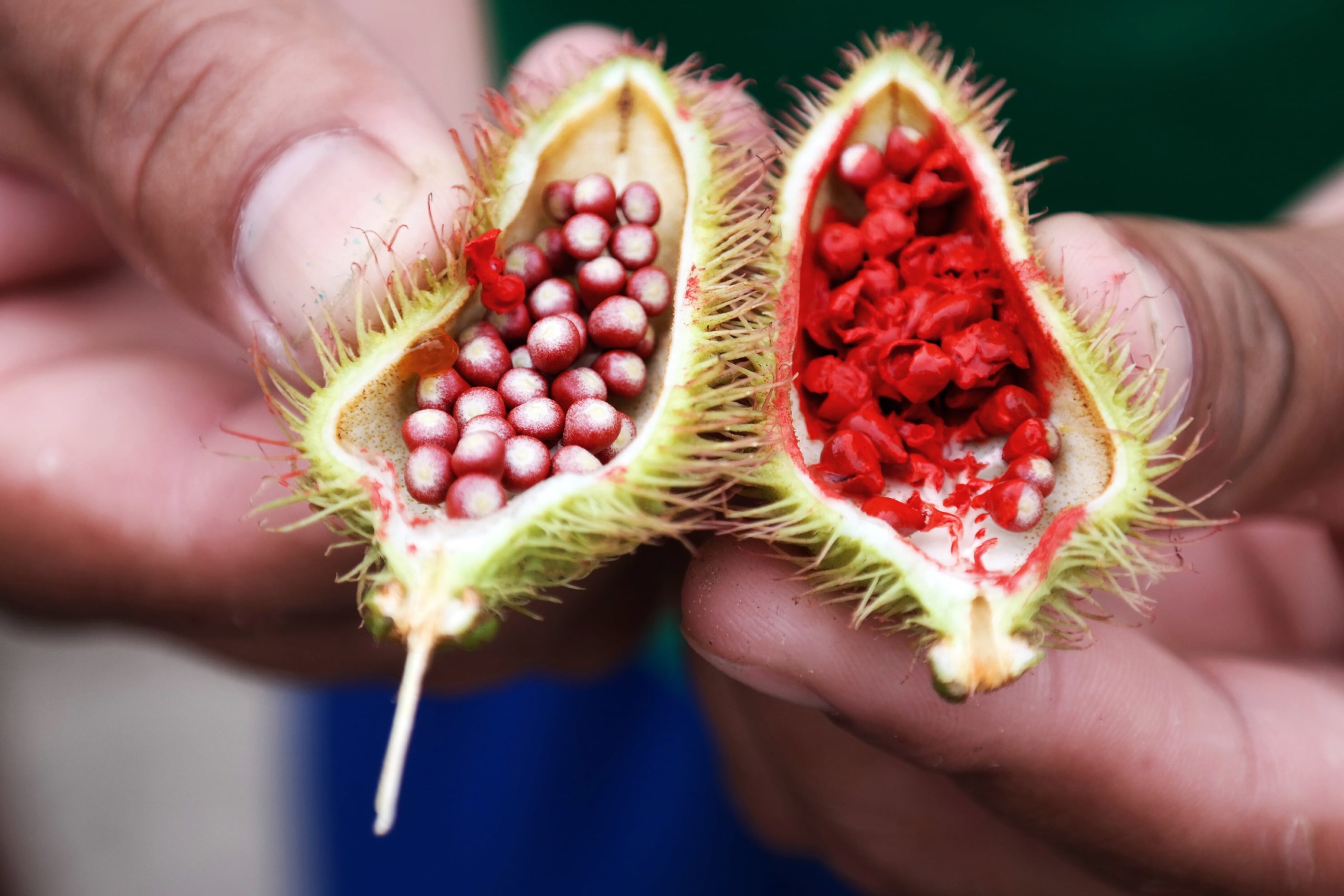
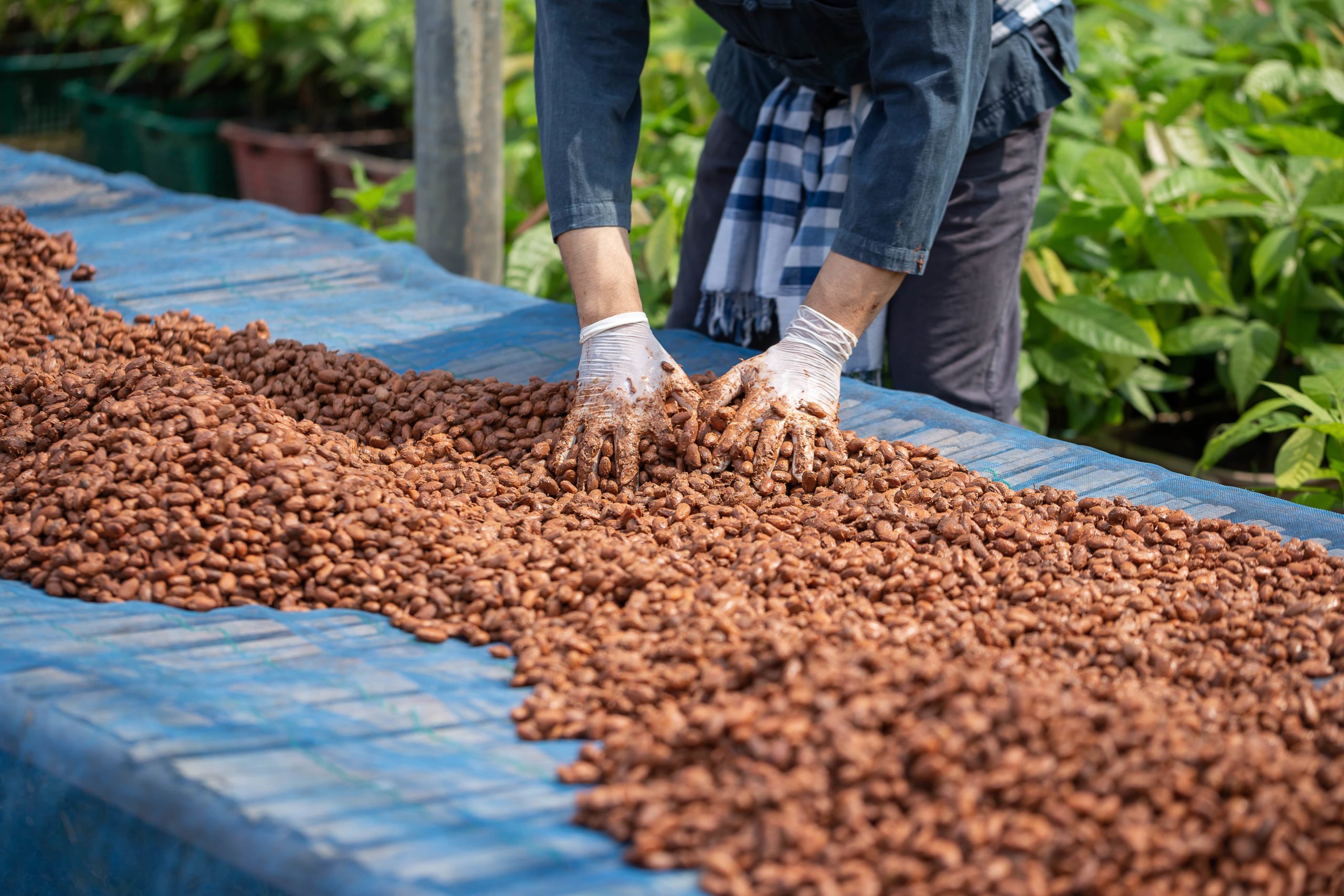
Considering the importance of the territory, we started supporting initiatives in Pará in 2014 (still through our philanthropist’s Private Social Investment). With the creation of Humanize, in 2017, an action plan was designed that fitted the strategy designed for the period 2019 to 2021, focusing on development and strengthening of socio-biodiversity chains. We then started to articulate different partners to act in a systemic way, concentrating efforts on the chains and other topics of common interest.
In the 2019-2021 strategic cycle, there were about 40 projects supported by Humanize and located in this important biome, especially in the state of Pará (followed by Amazonas). All of the Institute’s programs supported initiatives in the Amazon, especially the area of Public Management (which conducted about 15 projects in the biome) followed by the Entrepreneurship and Socio-Environmental Impact Businesses program (which marked the triennium with about 10 projects supported in the region).
In the same period, the Amazon was also responsible for further enhancing our way of working in collaboration – which generated a high number of projects that were supported through partnerships. The following initiatives are among the good examples: Partners for the Amazon (PPA), Strategic Partnership Low Carbon Entrepreneurship, Fishing Alliance and Strategic Partnership Value Chains – Pará and Bahia. Considering the 2019-2021 cycle portfolio, these names registered the largest number of projects, per partnership, in the biome highlighted in this case.
In 2021, the challenges are still big and cannot be addressed by one single institution, not even by one single sector. Issues such as deforestation, fires, land use, mapping (political, economic and security), public policies, climate change, infrastructure, education and health are examples of obstacles. According to the National Institute for Space Research (INPE), for example, 2020 was the second worst year of deforestation in the Legal Amazon since 2015. Over 8 thousand km² of land were deforested in this period. Possible solutions lose strength because a large part of what is invested in the territory is not directed towards boosting sustainable development in the region.
To contribute with possible solutions, Humanize believes that philanthropic capital is essential in the Amazon, as it is willing to take more risks than the private sector and invests in an innovative, experimental and disruptive agenda. There is recognition that the richness of Brazilian biodiversity is a differential, but that this will only be reverted in a positive way if actions involving issues such as investment in science and respect for local knowledge take place. This is also done through articulation with governments, collaborating with the development of civil society organizations, sustainably exploring the potential of socio-biodiversity chains, and encouraging entrepreneurship and socio-environmental impact businesses.